
1970s-1980s: New York Gives Birth to Video Game Legends
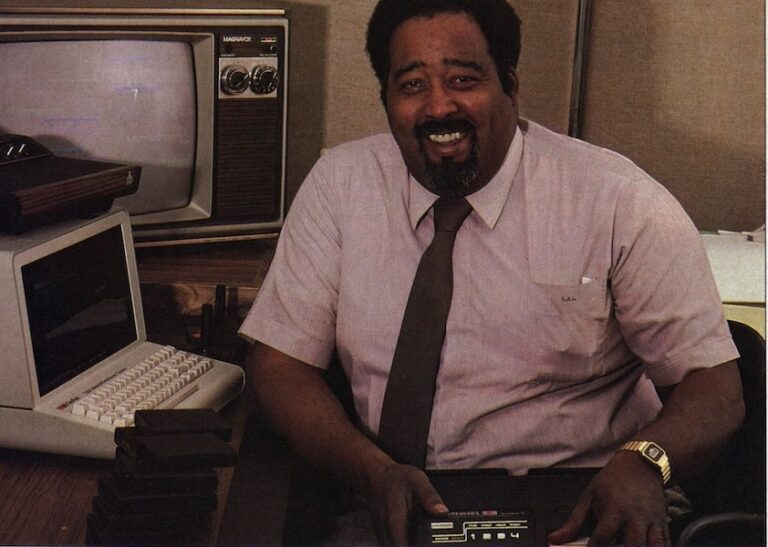
Black culture in the games industry stands on the shoulders of giants such as Gerald “Jerry” Lawson and Ed Smith. Jerry Lawson, originally from Brooklyn, New York, was one of Silicon Valley’s first African American computer engineers. He is known as the ‘father of the video game cartridge’ as he designed the swappable game cartridge. He was a significant reason gamers could enjoy video games in the comfort of their homes, leading the development of the Fairchild Channel F console in 1976. He is one of the first founders of a Black-owned and led video game development company in the United States, but due to the 1983 recession, he had to close shop.
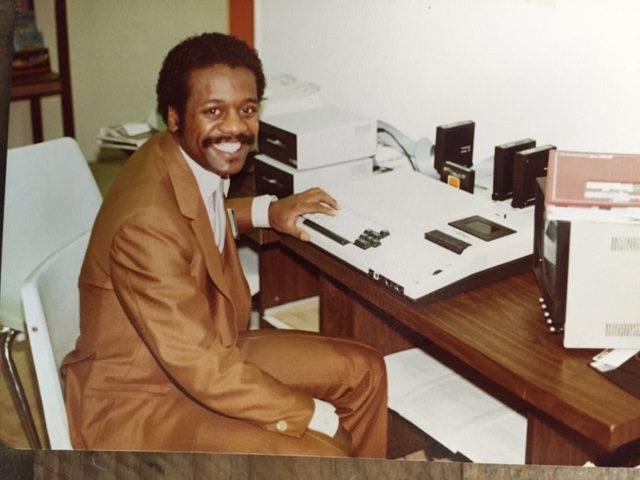
Ed Smith was a New York City inventor and engineer who co-created the APF’s playful computer and the coinciding game console, the MP1000. Growing up poor in the projects of Brownsville, Brooklyn, engineering was a chance for more opportunity beyond his environment. In 1972, a very young Atari console was making waves throughout the country with the viral popularity of Pong, and in December 1975, it released a home console version, which brought gaming into the homes of millions, albeit just one game. So in 1976, when the Fairchild Channel F console went on the market with the ability to swap out different games with a cartridge, the APF sought to hire an engineer to build something that could rival it. After learning how to code, working many jobs, and attending university, Ed Smith helped co-create the APF MP 1000, an 8-bit cartridge-based home console. It was released in 1978 with six cartridges and sold over 50,000 units, a significant success compared to its predecessor, the APF TV Fun.

In the 1970s and 80s, Black representation in video games was present. In 1978, Atari’s Basketball was released for the Atari 2600 and later for the Atari 8-bit line, featuring improved graphics. The cover art, by Cliff Spohn, featured two Black basketball players, generic players not sourced from any NBA stars at the time. The first use of a license character/actor came in 1979 with Superman [Source: Art of Atari]
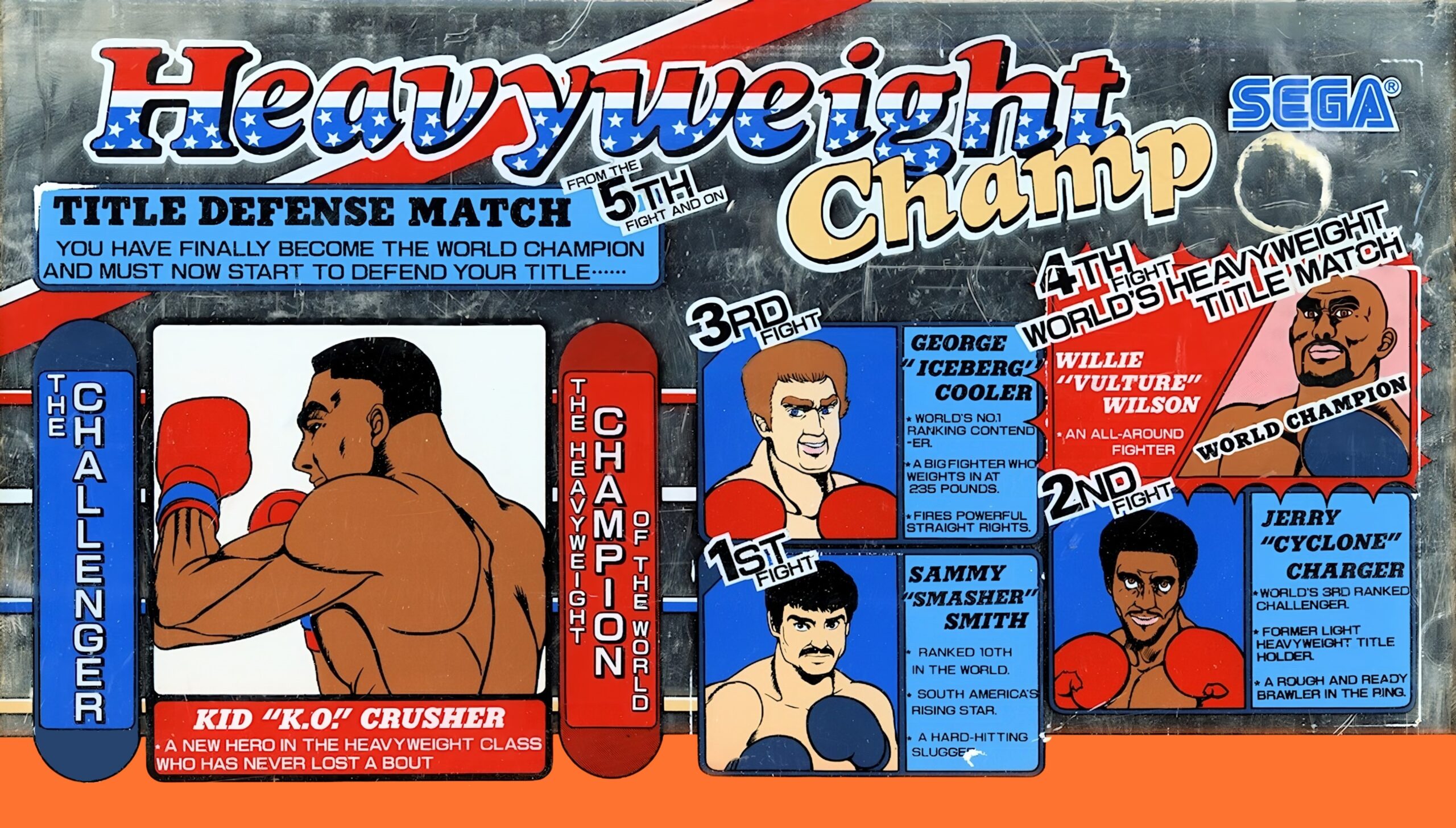
Sega’s Heavyweight Champ series, released in arcades in 1976, is widely credited as one of the first video games to feature hand-to-hand fighting. While the graphics were in black and white, the cover art featured 2 Black fighters, Kid “K.O.” Crusher and Jerry “Cyclone” Charger. Jerry “Cyclone” Charger is described as: ‘World’s 3rd-ranked challenger, a former lightweight title holder, and a rough and ready brawler in the ring. Jerry “Cyclone” Charger is the second fighter in the lineup of fighters in the Heavyweight Champ game. Kid “K.O.” Crusher is described as: “A new hero in the heavyweight class who has never lost a bout”. He is the final fighter you face in the Heavyweight Champ game and is tough. Kid “K.O.” Crusher feels like he was inspired by Muhammad Ali, who in 1976 fought 4 times, defending his heavyweight title, and his last knockout win was against Richard Dunn.
1980s- 1990s: Fighting, Sports, Fighting, and Sports
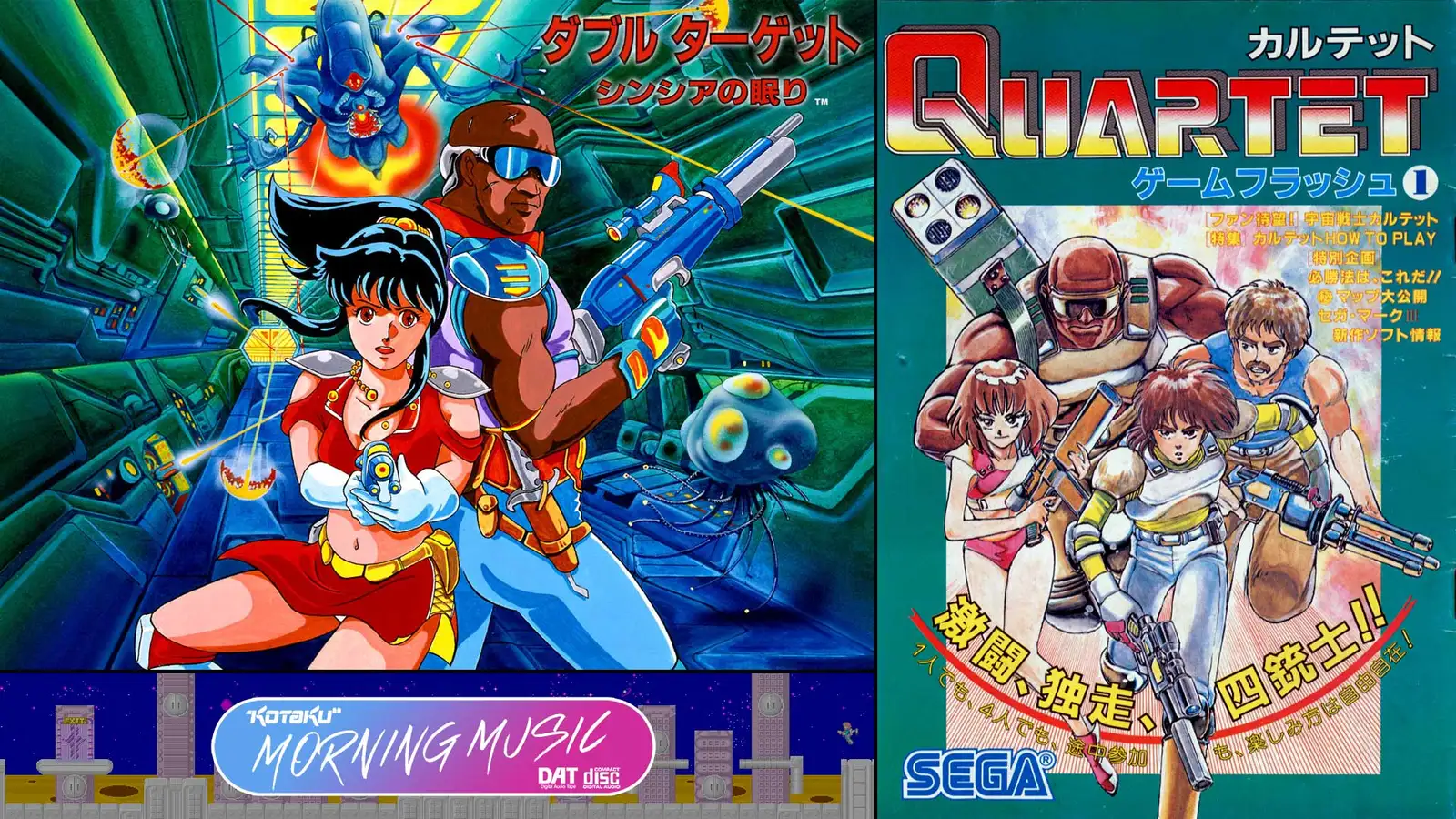
From the late 1980s to the 90s, we began to see more diversity in characters depicted in games through character selection, art, and game developers. While this was slight progress, it was limited to sports and fighting games, which often leaned on stereotypes in their creation. In 1986, Quartet, released by Sega for the Sega Arcade System 16, was a one-to-four player side scroller where you played through 32 levels and survived constant waves of robot enemies until you reached the boss. This sci-fi side scroller featured Edgar, a Black man, who wore green and could take several hits before dying. The Quartet‘s synth/funk soundtrack was composed by the legendary Katsuhiro Hayashi, who often credited many of his inspirations as greats such as Herbie Hancock, George Duke, and the entire Funk genre, which originated and was pioneered by Black Americans.
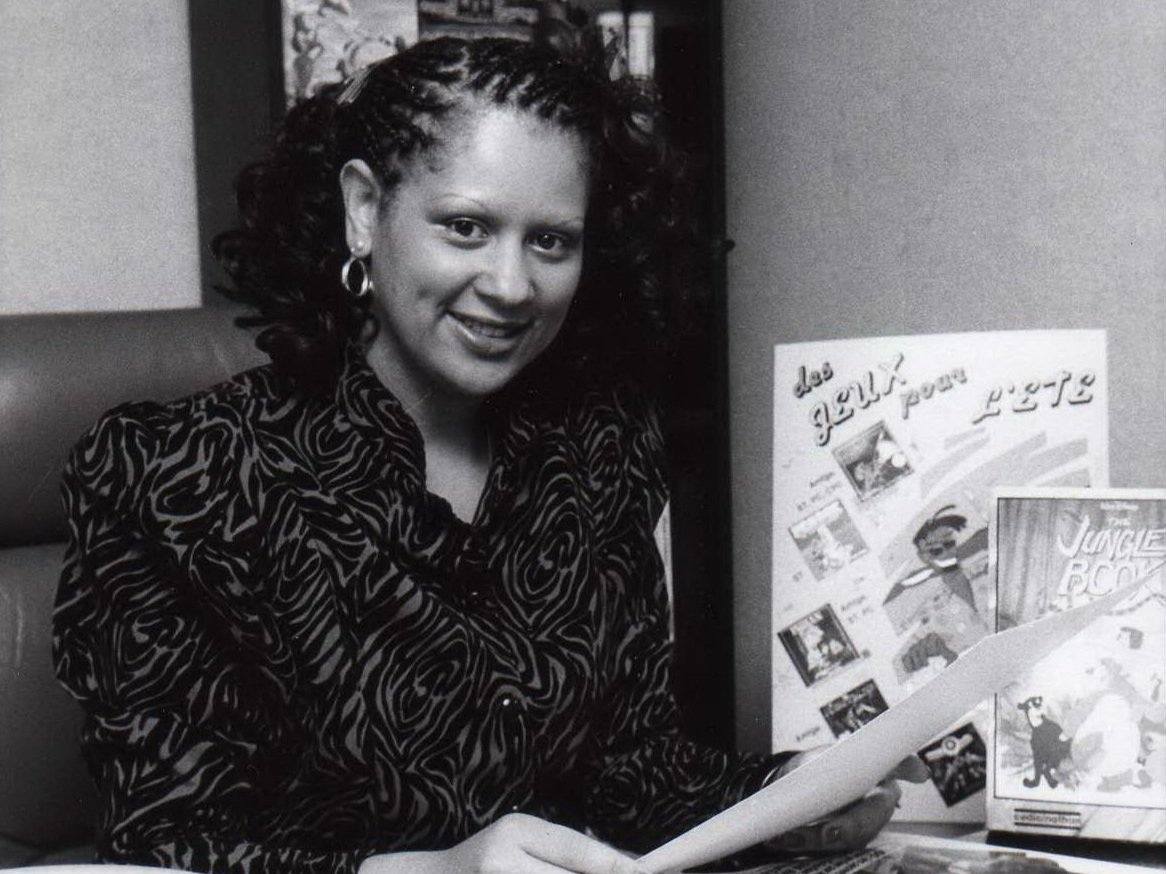
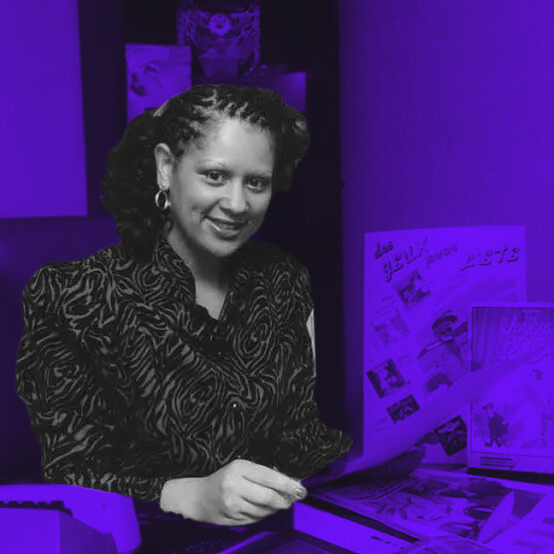
In the early 1980s, a young Muriel Tramis began exploring careers in marketing and communications before entering the world of video Games. Tramis is known as the first Black woman video game designer who has written and designed many games throughout her career. She worked on many of Coktel Vision’s best-selling games, such as Méwilo, Gobliiins, and Lost in Time.
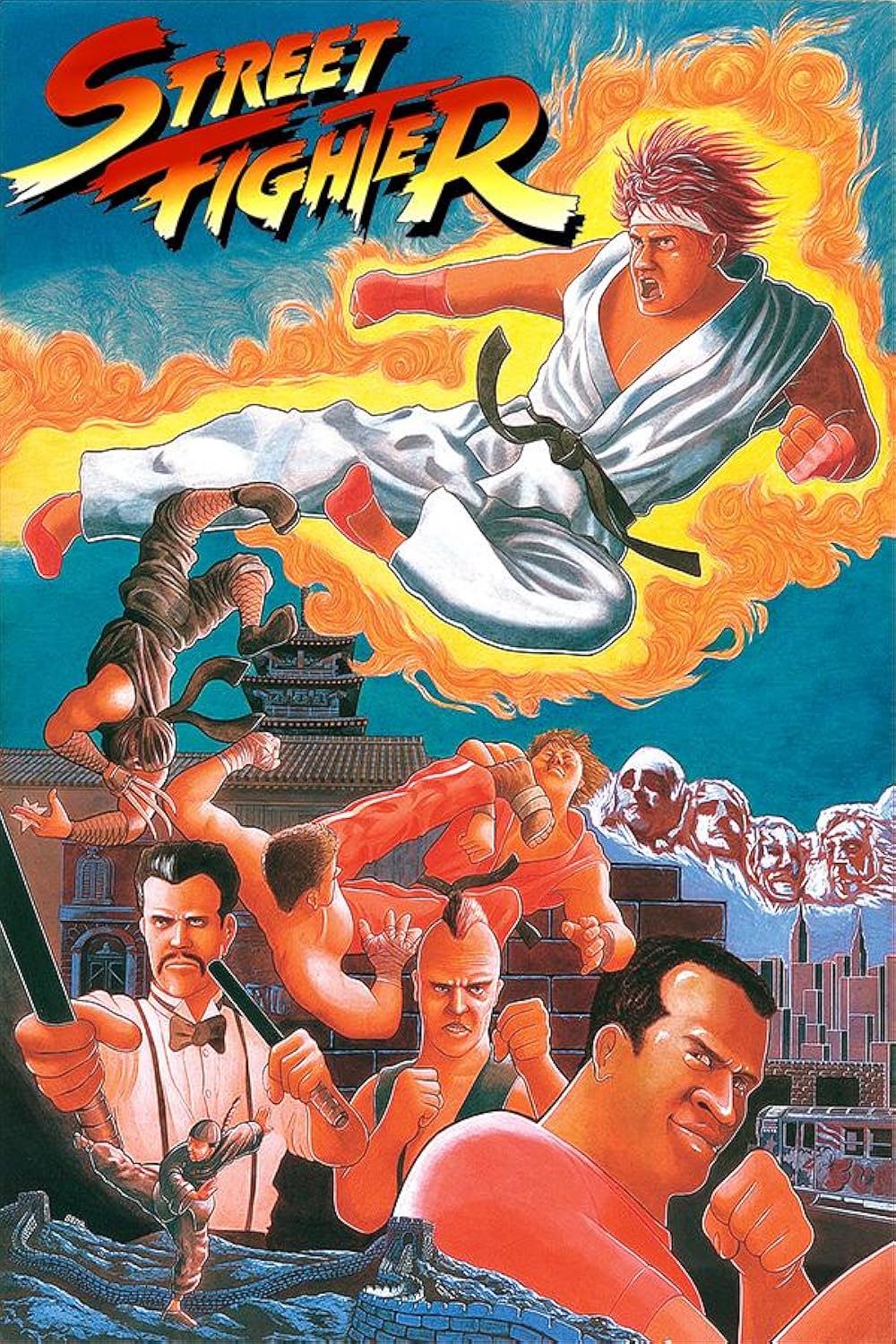
In 1987, Street Fighter 1 was released by Capcom, which gave us Mike, yet another Black American Boxer, whose origin story resembles Rocky IV, as Mike killed an opponent in the ring. Mike only appeared in Street Fighter 1, but the series has featured several Black characters since its inception. Three years later, Atari’s Pit-Fighter would go on to inspire and revolutionize the fighting genre as we know it today, with its use of digitized character artwork.. This game encouraged the creation of Mortal Kombat, which also used digitized character artwork but added over-the-top gore, and a ’90s edginess and flair that was a vibe at the time. But unlike Mortal Kombat, though, Atari’s Pit-Fighter featured a Black character, South Side Jim.

Heading across the pond, in 1986, London-based developer Computer Rentals Limited released the first black-led single-player game called Cyborg. When released in 1987, the title was changed to Mandroid. The premise of the game is to recover stolen Mandroid files and gather intel on the person who not only stole the files but also helped navigate impossible terrains to get justice. The Cyborg resembles a heavy combination of DC Comics Presents #26 (1980) and Tomb of Dracula #10’s Blade (1973).
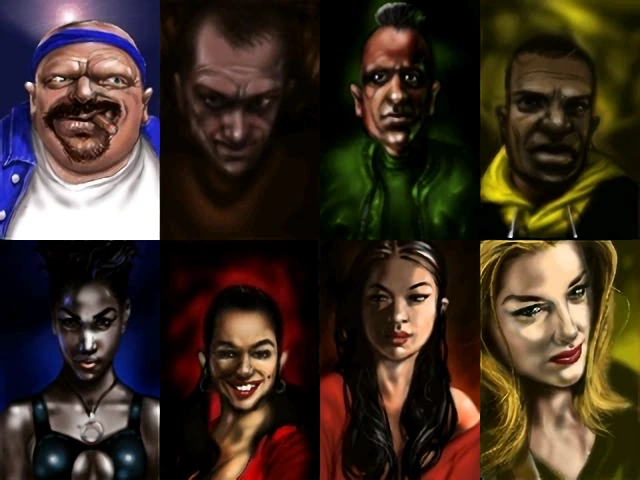
The first Grand Theft Auto, released in 1997, showcased various characters, including Black protagonists. The Grand Theft Auto series is always set in a fictional version of a real-life city, whose story centers on a protagonist trying to rise the ranks and become a respected yet feared criminal. Celebrities such as Kat Williams, Samuel L. Jackson, Shawn Fonteno, and more have appeared throughout the GTA series. However, GTA is a very controversial game due to its depiction of violence and use of stereotypes of marginalized communities, especially when the majority of its developers are white.
Hollywood during the 1980s-90s was the time of “Black Film Renaissance” that saw a sharp increase in Black representation, Black stories, artists, and talent. Many films, such as I’m Gonna Get You Sucka, Harlem Nights, The Color Purple, School Daze, and so much more, showcased the soul of our stories and creativity. The video game industry in the 1990s saw a resurgence of using celebrities, comics, movies, and other source material (parallel primarily to the Black Film Renaissance) to inspire the creation of Black characters in video games.
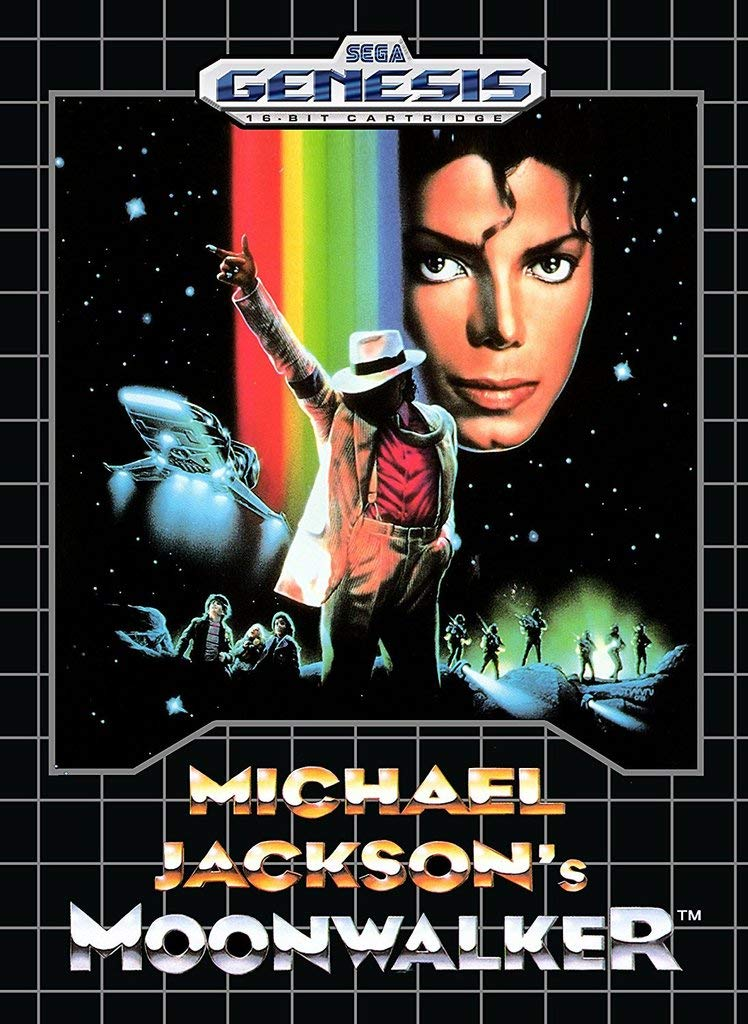
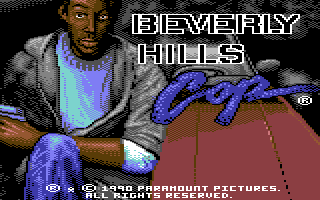
During this time, we saw releases of games like Beverly Hills Cop by Tynesoft (1990), which coincided with the movie, and Michael Jackson’s Moonwalker by Sega (1990), which also coincided with the film. Many Black NBA stars had games where they were playable characters, such as former NBA MVP Charles Barkley in Barkley Shut Up and Jam! (1993), Shaq Fu (1994) starring Shaquille O’Neal, and the legend himself, Michael Jordan, in Michael Jordan: Chaos in the Windy City (1994).
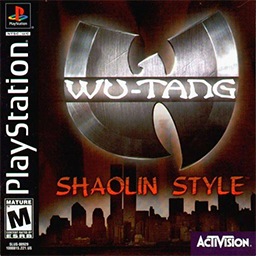
Outside of sports, we saw a major spike in representation of rap and hip-hop culture, such as Wu-Tang: Shaolin Style (1999), whose story, setting, and music were based on the real-life rap group Wu-Tang Clan.

In 1994, Gordon Bellamy, still young in his career, revolutionized Madden by suggesting and executing a more realistic take on Madden to make it a more immersive experience for football and video game fans. In the 90s, the NFL players were primarily Black (Marquez-Velarde et al., 2023), yet Madden did not reflect that. The Electronic Arts Madden developers took to Bellamy’s idea and state that although he was only 3 months into his career at EA, he saw an opportunity for inclusion and spoke up for it.
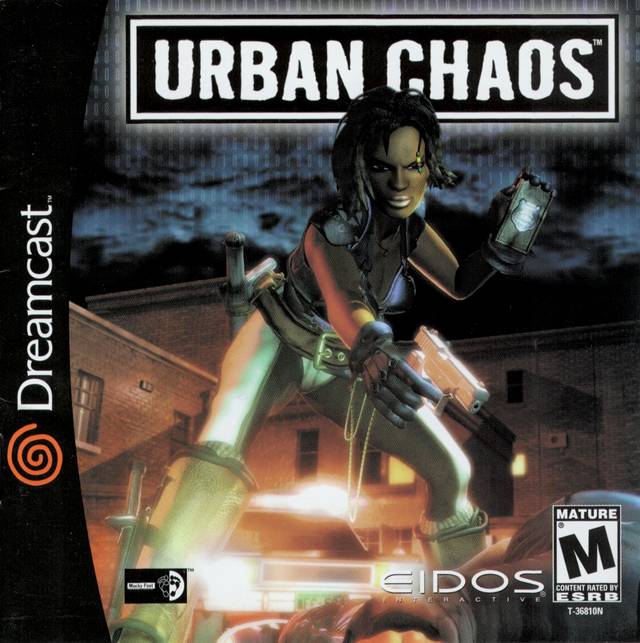
1999 was the year that we finally saw a Black female protagonist in a video game with D’Arci Stern in Urban Chaos (GeekGirlCon, 2025). D’arci Starn is a rookie police officer whose goal is to bring down the gang leader of the Wildcats, who is currently running for mayor of Union City. D’Arci is a standout character not only for being the first Black woman protagonist in a video game but also for highlighting how rare Black female leads are in gaming. While there were stereotypes throughout D’Arci Stern in Urban Chaos, there were also themes of the consequences of overpolicing in Black neighborhoods and what can lead to gang violence sprinkled throughout. A key thing to note with this game, there are non-violent options that may not be obvious during a first playthrough.
2000-2010s: Geek fandoms Collide
The 2000s to the 2010s saw a mix of household name Black characters, such as Storm from X-Men, John Stewart, and Star Wars’ Mace Windu shine alongside original Black characters and stories. Not only were we seeing a rise in Black characters in video games, but there was also a rise in Black characters in anime. With popular songs like Lupe Fiasco’s Kick Push we saw the rise of the Black nerd who loved, created, and inspired many aspects of geek culture.
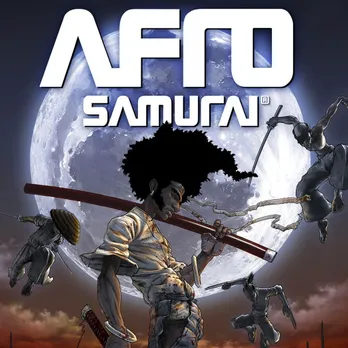
In 2005, Namco Bandai Games received exclusive rights to publish two games based on the popular anime Afro Samurai. Afro Samurai was inspired by creator Takashi Okazaki’s love of hip hop and soul music, following the life of Afro Samurai, voiced by Samuel L. Jackson. Wu-Tang Clan member RZA produced the soundtrack not only for the anime movie but also for the Afro Samurai video games. Afro Samurai was revolutionary for multi-interest Black nerds because it felt like the best of our worlds were colliding, and it was a masterpiece.
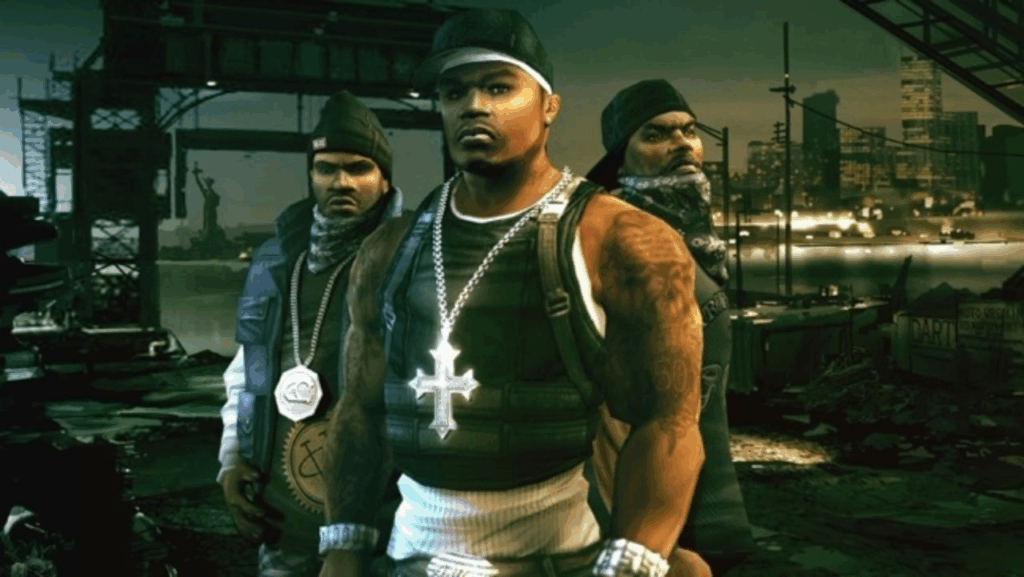
Rapper 50 Cent stepped into the video game world in 2005 and again in 2009 with 50 Cent: Bulletproof and 50 Cent: Blood on the Sand. Both games received mixed to poor reviews for gameplay but high praise for their story and music. The music was composed and produced by Sha Money XL for the first game and Swizz Beatz for the second.

The Fight for Equity: From Mass Hiring to Anti-DEI
While Black creatives, engineers, and inventors have contributed heavily to the video games industry dating back to its genesis, Black creatives in the industry still face racial discrimination and inequity when it comes to hiring, fair treatment, promotions, and representation. From the foundation of I Need Diverse Games in 2014, by Tanya Depass to the founding of Black Girl Gamers in 2015 by Jay Ann Lopez, there has been a rise of many Black gaming organizers fighting for equity in the games industry.
The 2020 Black Lives Matter protests sparked after the deaths of George Floyd, Breanna Taylor, and Tony McDade, which were nationwide objections against police brutality and the injustices Black Americans face. This extended to the video games industry, where many companies were called out for their continued lack of diversity, hiring practices, and promotions of Black employees. Similarly, content creators called out companies lacking diversity in marketing campaigns and representation. While things have slightly improved as the gaming industry saw a record-breaking number of hirings during this time, these improvements did not last, as the games industry is currently going through waves of layoffs and restructuring.

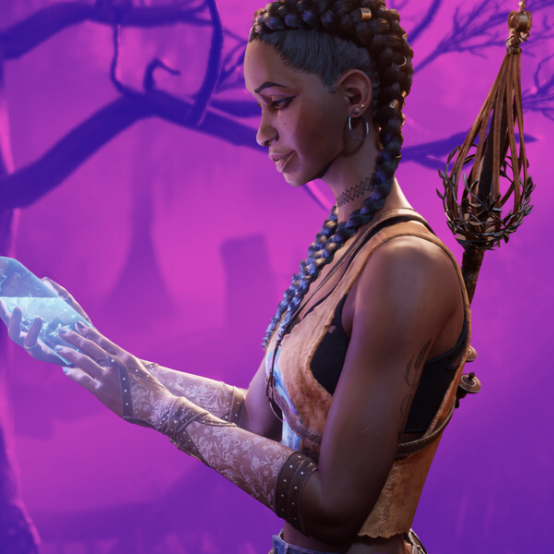
In 2025, Compulsion Games released South of Midnight, a beautiful game built around Black American Southern Gothic culture. From start to finish, audiences were embraced by Black Southern folk tales, Black colloquialisms, music, and love. While the game was met with anti-DEI hate from trolls on the internet, many saw South of Midnight for what it was: a love letter to Black Americans and many aspects of Black American culture. In an industry that constantly delves into ancient European cultures, it was nice to see another culture explored respectfully.
While much progress has been made, many of the challenges Black people in the videogame industry faced in the 1970s persist today, making the progress achieved feel minimal but enduring. Still, we continue to fight for equity and representation as we let our joy and culture shine despite the obstacles we face. There are many more examples of Black culture within the video game industry.
There is still work to be done, but the future is hopeful as more Black developers create game studios and solo developer projects, spaces that amplify Black joy, consultancies, stream teams, conventions, and more. While we have come a long way, more work must be done.