
Between a Fairy-type socialite and the franchise’s first Black Nurse Joy, the new Pokémon game offers more representation for canonically Black characters.
Last year, I wrote an op-ed about the rewarding yet isolating experience of being a Black gamer girl, citing hypersexualization and racial harassment as the downsides to embracing this part of my identity. Meeting other Black gamers in New York and attending Dream Con reminded me that we exist in multitudes—regardless of what right-wing extremists express—and this year’s lineup of games helped.
2025 proves itself to be the year Black women finally exist in video games, indicating that we’re headed in the right direction with Tati Gabrielle in Intergalactic: The Heretic Prophet, Adriyan Rae in South of Midnight, and Blvck Bunnie in Dispatch. Between the domino effect that followed 2014’s Gamergate and the onslaught of racist and misogynistic backlash each of these games have received, we’ve still got a long way to go.
Fortunately, Pokémon Legends: Z-A, Nintendo’s latest addition to the Pokémon franchise, caught the attention of Black gamers with two new characters. An expansion of the open-world, real-time battling that debuted in Pokémon Legends: Arceus, the game is set five years after the events of Pokémon X and Y. Modeled after Paris, France, Lumiose City is a wheel-shaped metropolis within the Kalos region with dedicated battle zones, plazas, shopping centers, and cafes.
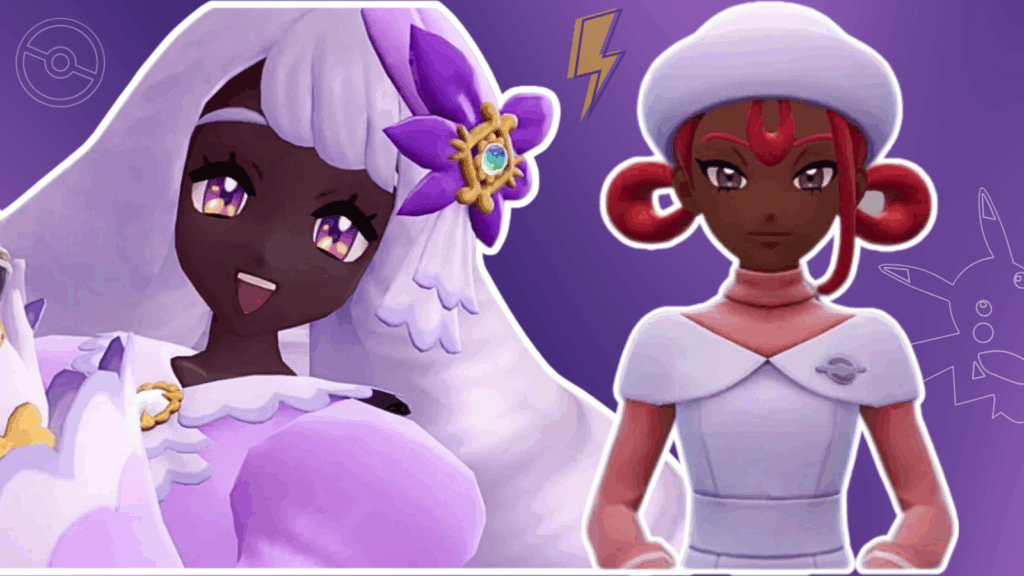
Once you begin exploring Lumiose City, you and your injured Pokémon will eventually wander into one of the city’s three Pokémon Centers and meet Nurse Joy of various skin tones. Unlike prior games where the lineage of healthcare workers typically have fair skin, Game Freak have strayed away from their typical character design. Although all of the Nurse Joys have the same hairstyle and soft-pink turtleneck, their facial features and eye shapes differ.
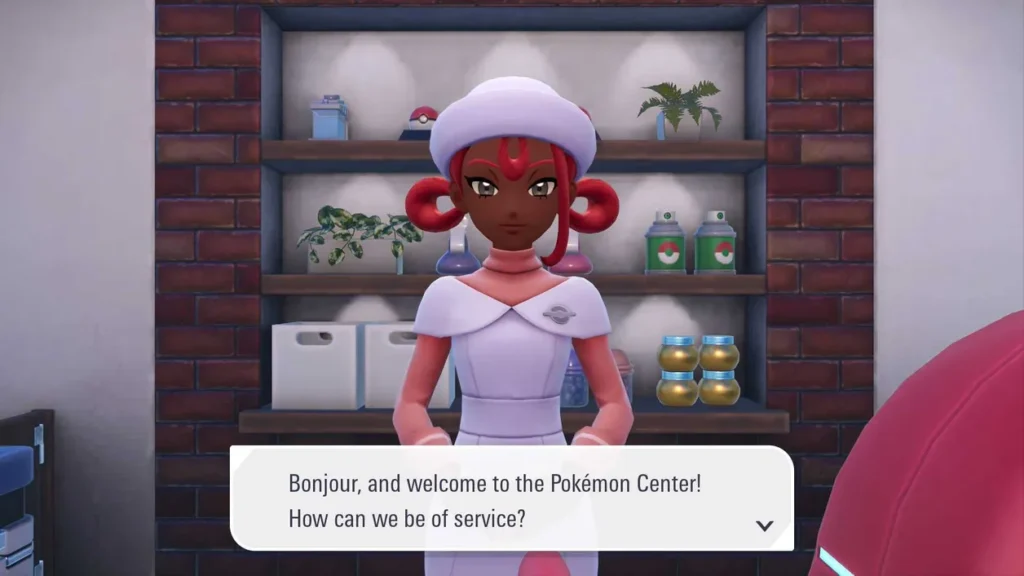
In a video by Jahara Jayde, she captures the whimsy of encountering a Black Nurse Joy, saying her “childhood self feels so happy,” quickly correcting herself to add that her “adult self is so happy.” Even though Nurse Joy sticks to a typical greeting, it’s validating to see her and multiple other Black NPCs in Legends: Z-A.
After you’re introduced to Lebanne, you’ll meet Lady Jacinthe, a rich Black socialite and the leader of the Society of Battle Connoisseurs. Her specialization in Fairy-type Pokémon isn’t surprising—just look at her stylish lavender and violet design, donning a voluminous curly lilac hairstyle, white fishnet tights, and a gorgeous dress. If her Clefable doesn’t immediately scream Fairy-type trainer, her outfit does.
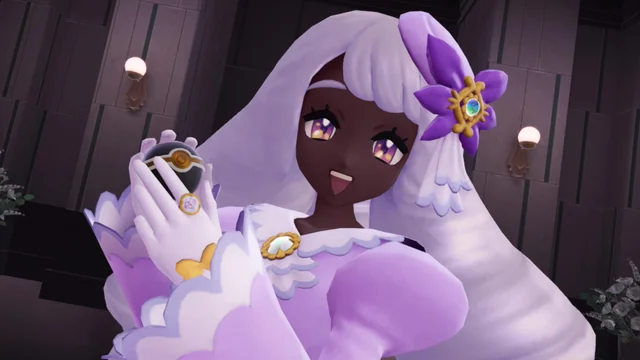
Jacinthe joins the franchise’s other canonically Black characters like water-type gym leader Nessa, archaeologist and normal-type gym leader Lenora, rock-type gym leader Grant, and ghost-type gym leader Ryme. In order to reach Rank B, you’ll inevitably face Jacinthe in a promotion match with her five Pokémon, and she’s got an ego that measures up to her class status.
With the inclusion of a Black supporting character, it’s predictable that there’s an uptick in heinous discourse about her personality and looks. On r/LegendsZA, one user posted a photo of Jacinthe titled “No. 1 Jacinthe hater here. I need this girl in the ground.” The post has over 3,000 upvotes, and the comments double down on players’ annoyance with Jacinthe.
Each gamer is entitled to their opinion, but the language used to describe Jacinthe is a racist dog whistle for how gamers treat Black women in video games, which are usually associated with her appearance. Does Jacinthe’s wealth automatically qualify her as a spoiled rich socialite? Yes. Are there ways to vocalize this without leaning into misogynoir? Also, yes. Trust me, there are even ways to discuss Jacinthe’s queer-coded relationship with Lebanne without issuing harmful stereotypes.
On the bright side, the admiration I’ve seen for Jacinthe overflows in comparison to the resentment, including viral tweets about her beauty and Jahara Jayde’s stunning cosplay. It’s long overdue for players to see more non-white characters, but this oversight might’ve not been a big priority for Nintendo.
The racial bias within the game industry is noticeable with the miniscule amount of Black game developers and lack of Black video game protagonists. As Black girls and women are disappearing from television and films for young audiences, we have to ask will the same thing is happening in the video game world with what small progress we’ve made? Black children playing Pokémon Legends: Z-A have the favorable choice to style their character with braids or a hi-top fade, but it fails in comparison to Loftia, an upcoming farming simulation MMO that plans to add twenty textured hairstyles to its character customization.
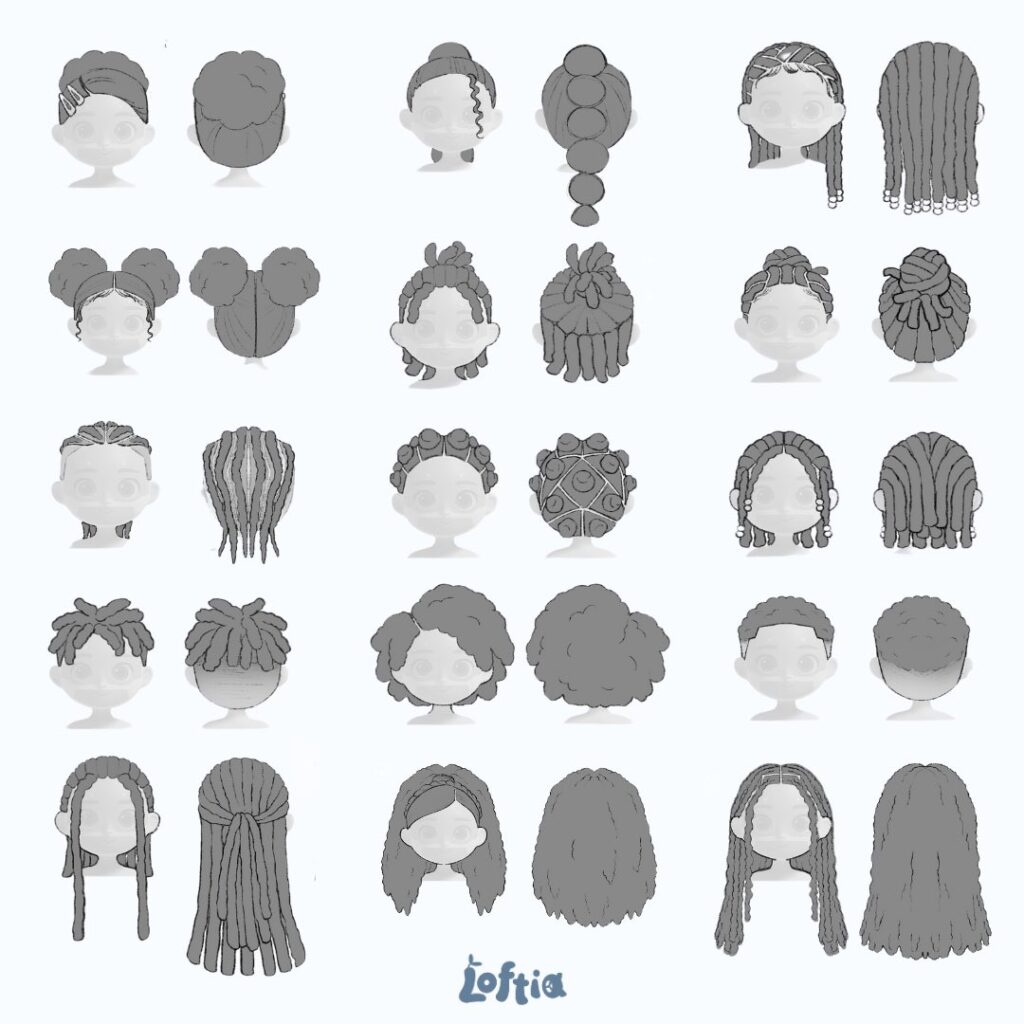
Loftia has less resources and notoriety than other franchises, yet its creators are soaring in terms of representation for Black hairstyles and skin complexions, so what does that say about the future of games? We can only hope that Game Freak acknowledges this need and keeps it in mind for the next one.