
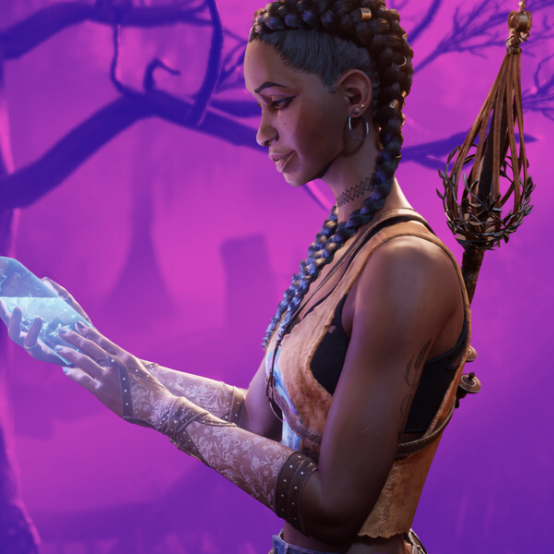
South of Midnight was released earlier this year and received nonstop positive reviews, praising the story, characters, and especially the scenery and musical scores. Developed by Compulsion Games and published by Xbox Studios, this Southern Gothic tale RPG has most of, if not everything, the gaming community has been needing for quite some time.
This well curated game serves as a love letter to Black women, the Deep South and those who have struggled with trauma and mental illness. It also pays homage to African spirituality, i.e. voodoo (originating in Haiti), Ifa/Santeria (originating in the Yoruba region of West Africa and later transmuted in the Caribbean/Latin America,) and conjure, also known as hoodoo (a form of survival among slaves in the United States). Some motifs are a bit more obvious than others, so let’s break them down bit by bit.
Haint Blue Stripes
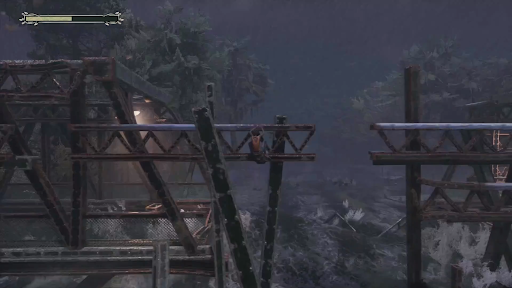
Monsters in Prospero are called Haints, which are based on actual folklore. In Gullah Geechee culture (which in the South Carolina and Georgia regions,) haints are troublesome spirits that can haunt just about anyone and anything. Both in and out of game, they’re born from the souls of people hurt by trauma and painful memories, unable to move on. They aren’t seen, but felt, and they make a person or room feel extremely heavy and exhausted. Stephanie Rose Bird, author of Stick, Stone, Root and Bone, has stated multiple ways to get rid of haints, including rituals involving graveyard dirt and iron nails. Elders in many black (particularly Southern black) families have stated that haints HATE a specific shade of blue, which was later named Haint Blue. This color reminds them of bodies of water, which they cannot cross because of its stillness and purifying nature. If you see someone’s house or porch painted with this color, especially in the Southern states, best believe they’re using it as a form of protection to keep nasty spirits out of their homes. Thus, South of Midnight uses Haint blue stripes in certain areas to mark them safe, such as climbable paths, hidden areas, and directions to help you navigate. In Chapter 3, Rhubarb’s porch has Haint Blue stripes painted on to keep haints and boo hags away. The latter are also Gullah Geechee orginated spirits who remove their skins, sneak their ways into people’s homes and torment people while they’re sleeping.
Crouton
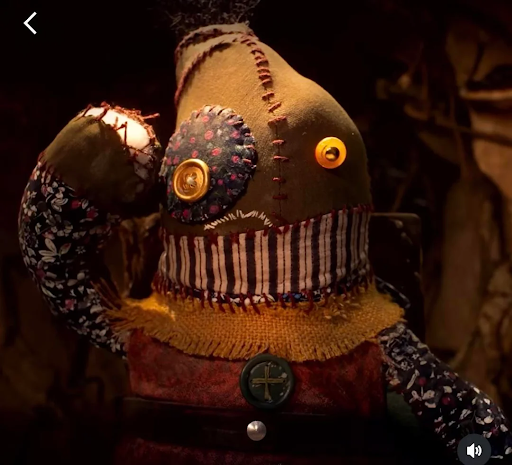
Hazel’s adorable sidekick Crouton is what’s known as a Gris Gris doll. In conjure (another term for hoodoo), Gris Gris dolls are made and used to control people and their lives, in the best or worst way. You can use one for yourself or a loved one to bring them happiness, protection and abundance, while also using one on an enemy to turn their lives into a living nightmare. So allowing Crouton to possess and force Haints to attack each other is a subtle but meaningful mechanic to use in combat.
Rhubarb’s Bottle Tree
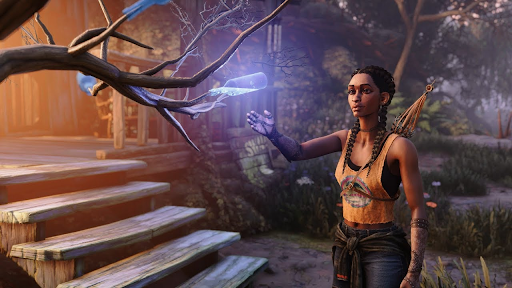
When meeting Rhubarb in Chapter 3, he’s a disheveled, skittish old man haunted by grief, shame and a dark secret. He allows Hazel to take a bottle off the tree near his front porch to help bottle up the pain in the surrounding area. That bottle tree is more than just a motif on bottling up your pain; in multiple ATRs (African Tradition Religions) they’re actually said to be traps for haints. During the night where nasty entities roam around, they are enticed by the shininess of the bottles, becoming trapped inside, unsure how to get out. The light from the sun then destroys them forever.
Rituals in Readables
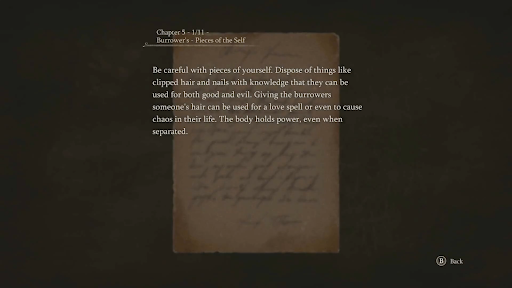
As far back as slavery, Black Americans have practiced hoodoo, which is used to address mental, emotional, physical, even financial and social issues. Hoodoo practitioners and doctors use multiple cleansing and protection workings against malevolent people and spirits, and a lot of them are performed by, believe it or not, church folk. You’ll find ritual and working Easter eggs in South of Midnight. For instance, before facing Two Toed Tom in Chapter 5, you’ll find a readable note in a garden referencing iron nails in Jolene’s garden, in this case to keep burrowers. Iron is a staple in ATR’s because of their sturdiness and protective properties.
Burrowers are mentioned a lot in these readables, but what exactly are they? The name was most likely chosen for the game, as the only actual “burrowers” we see are the animals that live in holes (rabbits, tortoises, etc.) While these little trouble makers’ identity isn’t fully known, we can speculate that they might be a form of the Fae.These powerful and mischievous creatures HATE iron, but love a good hard drink as an offering which keeps them from stealing your stuff.
Another note warns about “pieces of the self,” i.e. strands of hair and clipped nails. You can’t let burrowers get hold of these pieces, lest you want a love spell or hex put on you, so it’s best to properly get rid of them. Hair and nails are often used by people with mal-intent to do “workings’ on someone since they carry a lot of spiritual energy. In order to protect themselves, Hoodoo practitioners will burn their nails and loose hair strands to keep someone else from getting them.
The Crossroads
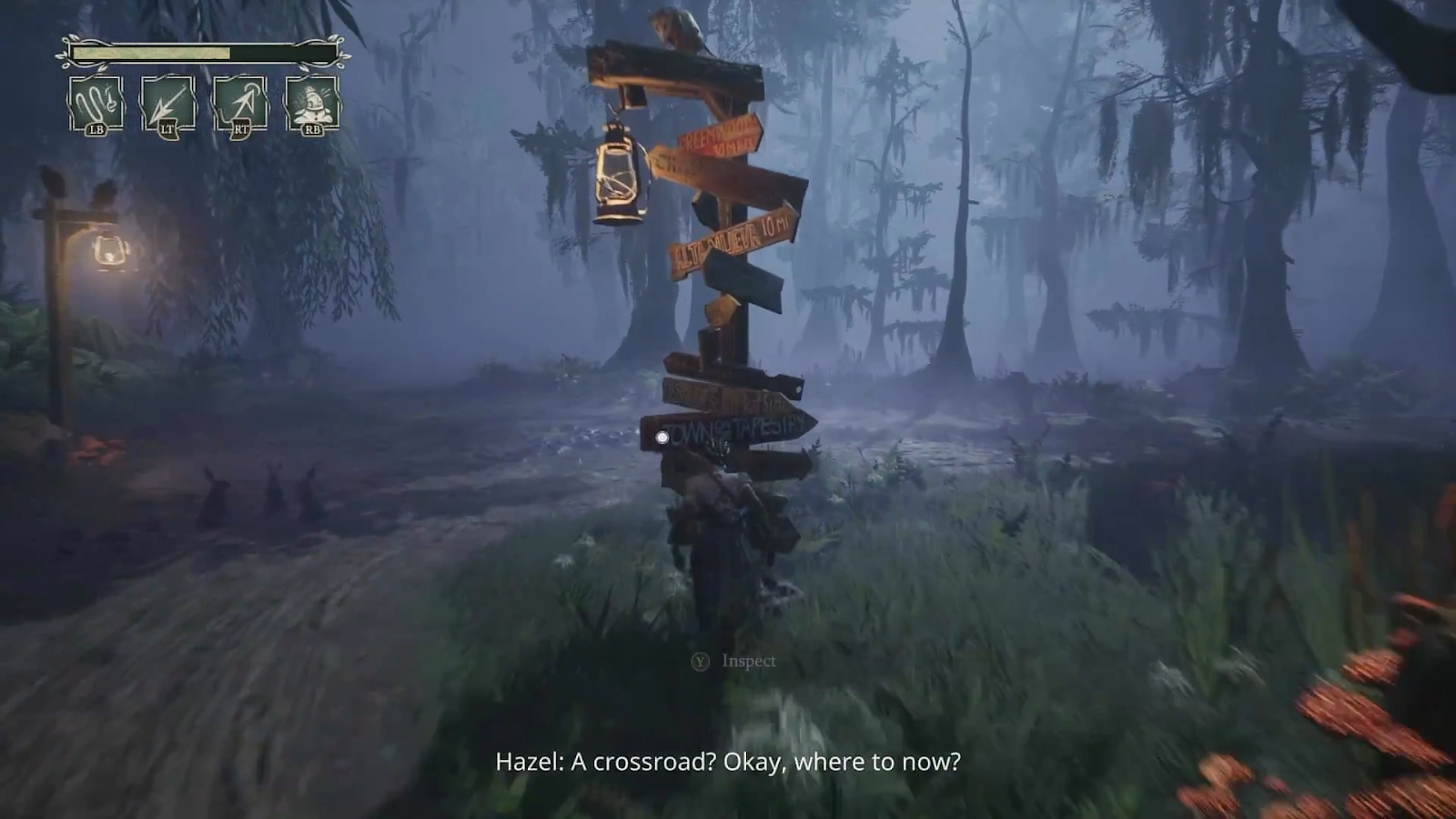
At the end of chapter 11, Hazel is ferried across the river by Shakin Bones. She ends up at a crossroad, where every path she traveled looked the same, but felt different, until she found exactly what she was looking for: Roux’s caravan, and eventually the Town of the Tapestry. Both in SOM and in ATR’s, the crossroads is a highly potent place of magic and mystery, especially for voodoo and hoodoo workings. They serve as the gate between the mortal and spirit world. In voodoo, the gatekeeper of the crossroads is known as the Lwa Papa Legba. When approaching crossroads, you must ask him permission to speak to other spirits. A voodoo priest/priestess will instruct you to go to him for or after some rituals.
Mentionings of the Orisha
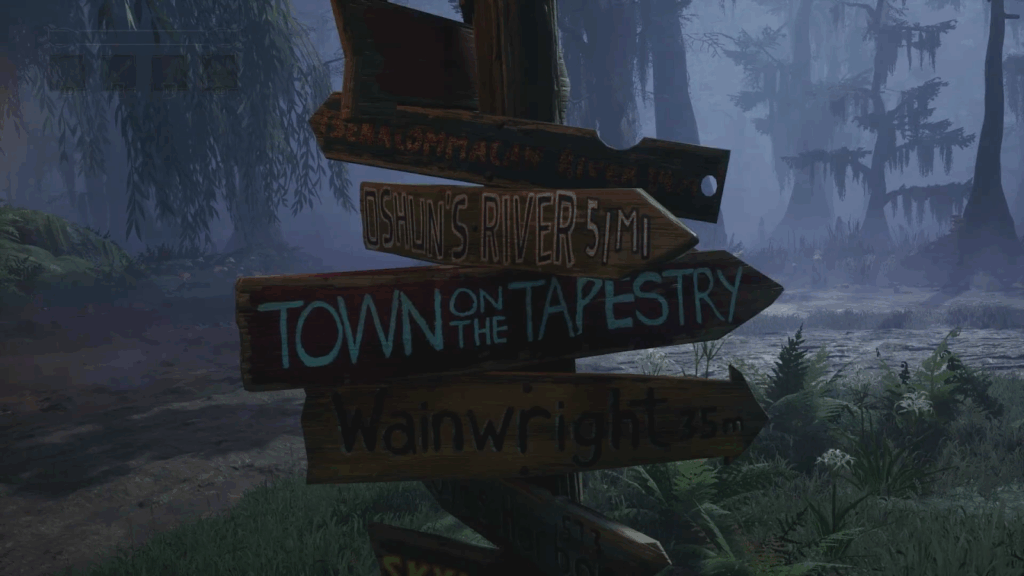
When Hazel reaches the crossroads in Chapter 12, there’s a post full of signs that point to different destinations. If you look carefully, you can see references to Orisha, the divine beings of Ifa, on the postboards. Each of the locations is directly tied to an Orisha and their dominion.
- Oshun’s River: Oshun is the Orisha of rivers, love, beauty, fertility and abundance. They say no one will ever be as beautiful as her and to suggest otherwise will cause a great wrath.
- Oya’s Harbor: Oya is the Orisha of winds, storms and transformation. Considered a formidable Orisha, she wields her sword and will cause necessary changes and upheavals.
- Obatala’s Sky Isle: Obtatala is the Orisha of the sky and considered the Father Orisha.
- Chango’s Volcano: Chango is the Orisha of forge, lighting, fire and war and another formidable Orisha. Angering him is one thing you shouldn’t EVER do.
Were you able to spot any of these? Were there others you were able to catch? Let us know!