
Read time: 4 minutes
Music effortlessly consumes my life, introduced early through childhood classical piano lessons that evolved into my foray as an emerging DJ in New York City in my latest era. It started with learning melodies and harmonies in choir and piano practice, and now my knowledge of music theory entertains crowds of dancers across the boroughs. And in recent years, I’ve recalled the one underrated gem of my musical journey: rhythm-based games.
During the Wii’s golden four-year stretch of Just Dance games from 2009 into 2013, I spent my childhood in front of the television, sweating to classics like James Brown’s “I Got You (I Feel Good)” and developing an infatuation with 2010s pop, notably Katy Perry’s “Teenage Dream” and LMFAO’s “Party Rock Anthem.”
When I wasn’t hogging the television for back-to-back dance sessions, I was close to breaking my Nintendo DS stylus during intense stages of Rhythm Heaven.
The collection of mini-games in the sophomore title of the Nintendo series was a mix of tapping, flicking, and sliding the stylus along to flashing cars, squawking birds, or an intergalactic tennis match. It was catchy with a relatively exciting art style, and I had just as much fun with its successor for the Wii, Rhythm Heaven Fever, released three years later. In July, cult-like fans were rewarded with a fourth title for the Nintendo Switch: Rhythm Heaven Groove.
It’s safe to say the demand for rhythm-based games seems high at the moment for all gamer profiles. Whether one’s initiated into musical stardom through Sony’s classic PaRappa the Rapper or the timeless Guitar Hero franchise, rhythm games have always been relevant to the gaming landscape, one beat (per minute) at a time. How else are you supposed to learn the difference between syncopation and synchronization?
Mixtape, the latest narrative adventure game from Annapurna Interactive, joined the 2026 rhythm-based lineup in May, and while it has (albeit begrudgingly) received critical acclaim, its straightforward gameplay didn’t grab the music lover in me. Unless I’m struggling to adjust to a game’s challenging rhythmic pace, it just won’t feel as tactile as the Rhythm Heaven series. It’s why I was drawn to a title I experienced during Summer Game Fest and how it reminded me of that euphoric first play.
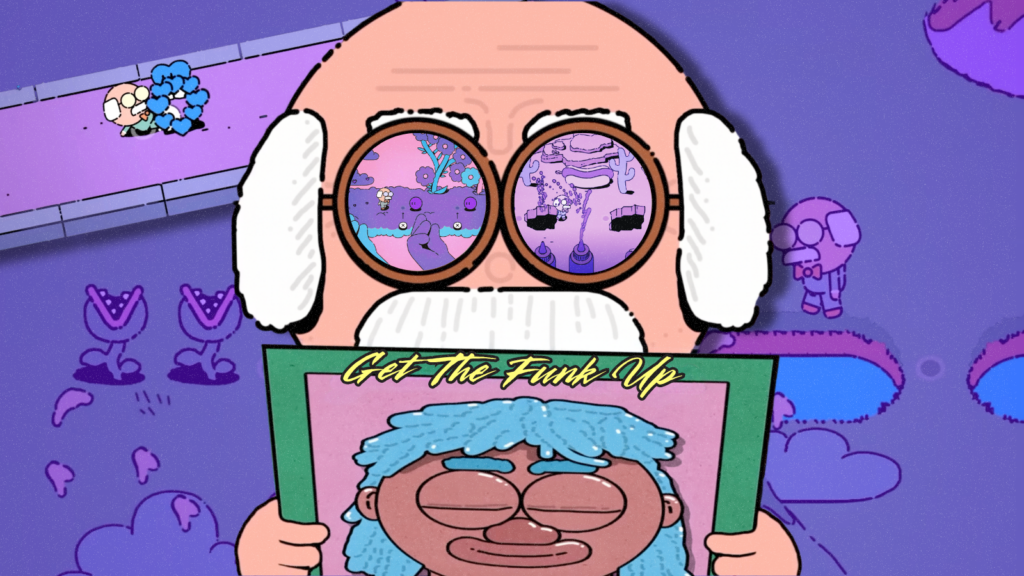
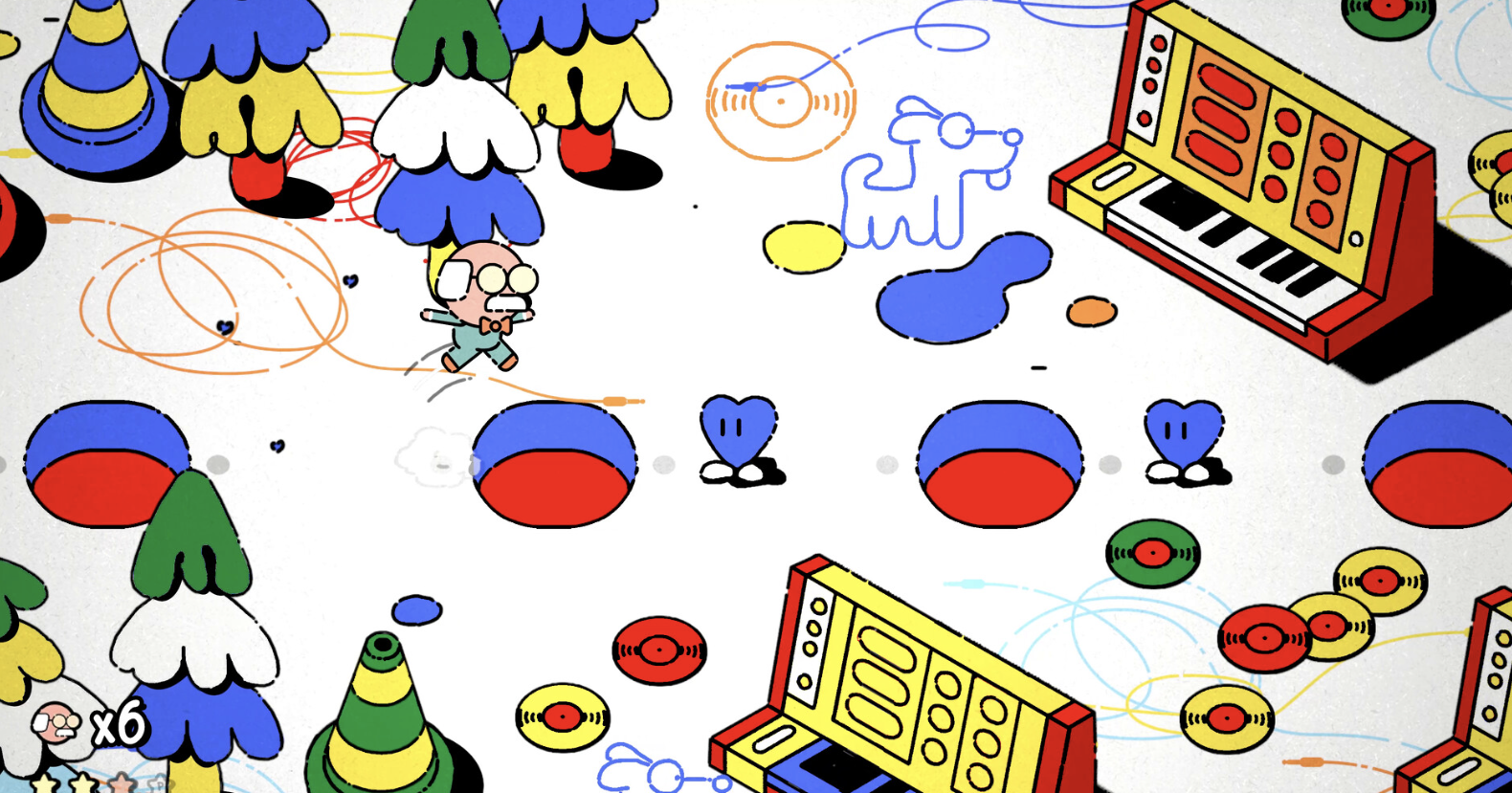
In Mr. Records, the 2D platformer follows George, an older gentleman who owns and operates a vinyl record store. His story is one many near his age can relate to (or anyone who’s felt a similar self-abandonment); a narrative about choosing to find your way back to yourself through a passion. “His business is the culmination of escaping a lifelong routine of standing still, which led him to open the store of his literal dreams.” Every evening, he listens to a new vinyl record, triggering his extraordinary gift to depart on an otherworldly adventure through a rhythm-based mini-game. Devoted music buffs who’ve found themselves immersed in melodic trances will appreciate George’s vivid imagination, which is illustrated by a psychedelic terrain.
From French developer Glee Cheese Studio—the team behind the award-winning A Musical Story—it’s obvious why the soundtrack in George’s collection feels like it was curated with love and reverence. In reality, Mr. Records’ vinyl collection of 45 tracks was composed by the studio’s composers and game designers Charles Bardin and Valentin Ducloux. The selection ranges from funk, progressive rock, and hip-hop to electro, world music, and ‘80s pop.
The first level I played at SGF started from a familiar place, with the typical platformer instructions to jump, kick, and slide across obstacles. The third level was noticeably more challenging as George and I bounced through a rock ballad and its back-to-back direction-switching button combinations. Similar to Rhythm Heaven’s system for measuring your success, each dream sequence in Mr. Records ranks your performance on a four-star scale. Despite the somewhat familiar mechanics from my favorite rhythm titles, I definitely struggled to pass the final level of the demo.
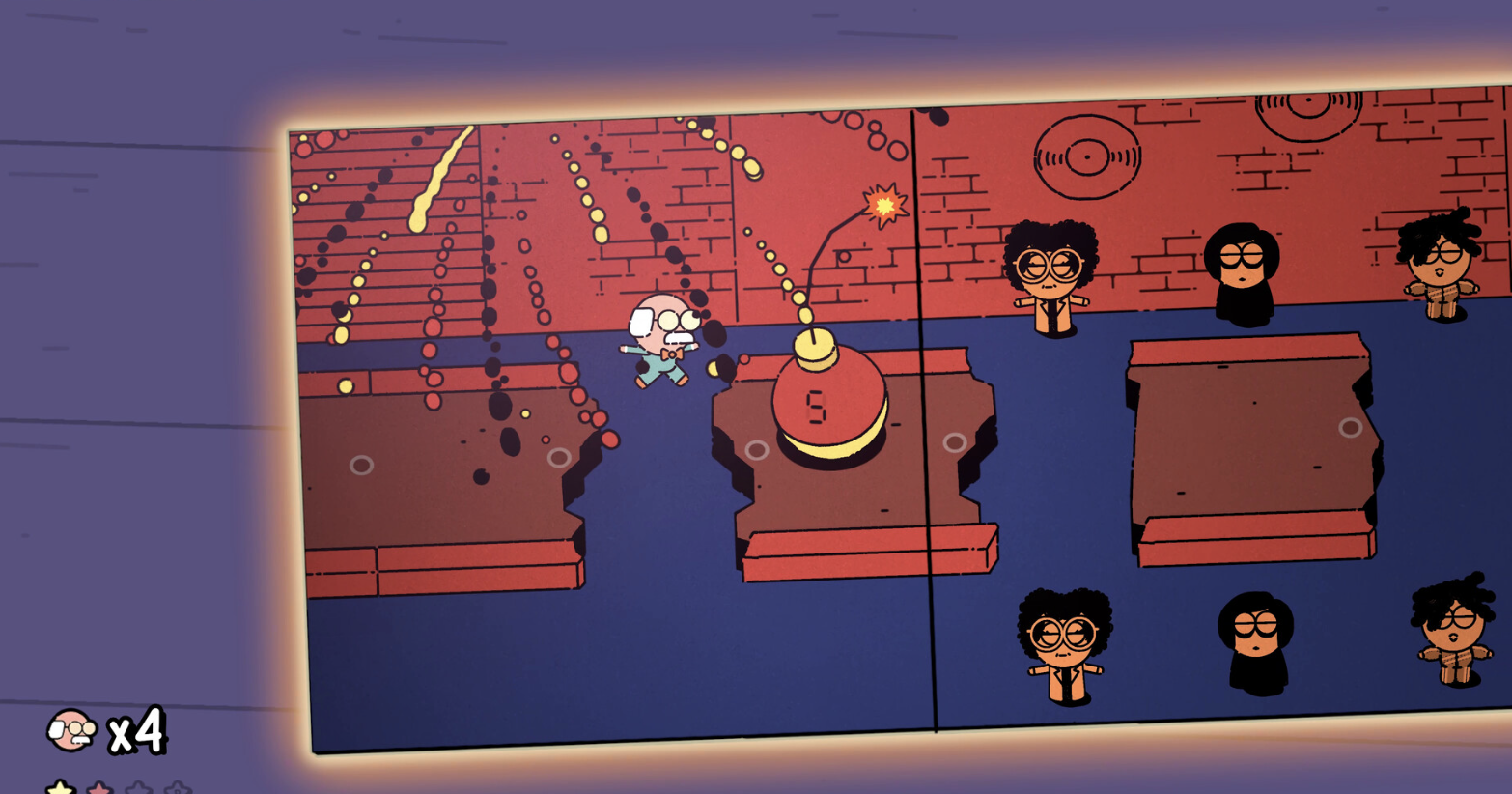
Once a mini-game is completed, the earned vinyl record joins George’s collection of tunes. Then, it’s your job to recommend it to a customer who may need to hear that very song (using context clues from your dialogue with them). These interactions are laced with emotional motives, such as a customer who requests a record to impress his crush.
As a DJ, I can relate to George’s desire to appease his customer’s connection to music, since there’s nothing more gratifying than an audience of content dancers. His dedication to delivering thoughtful recommendations speaks to my goal to entertain and educate party attendees on a variety of Black electronic dance music genres.
Even though Mr. Records doesn’t have an official release date, there’s high potential for its four-hour gameplay and its eclectic soundtrack. It’s bound to get stuck in players’ heads, and hopefully George’s grit touches their hearts, too.