
Read time: 6 minutes
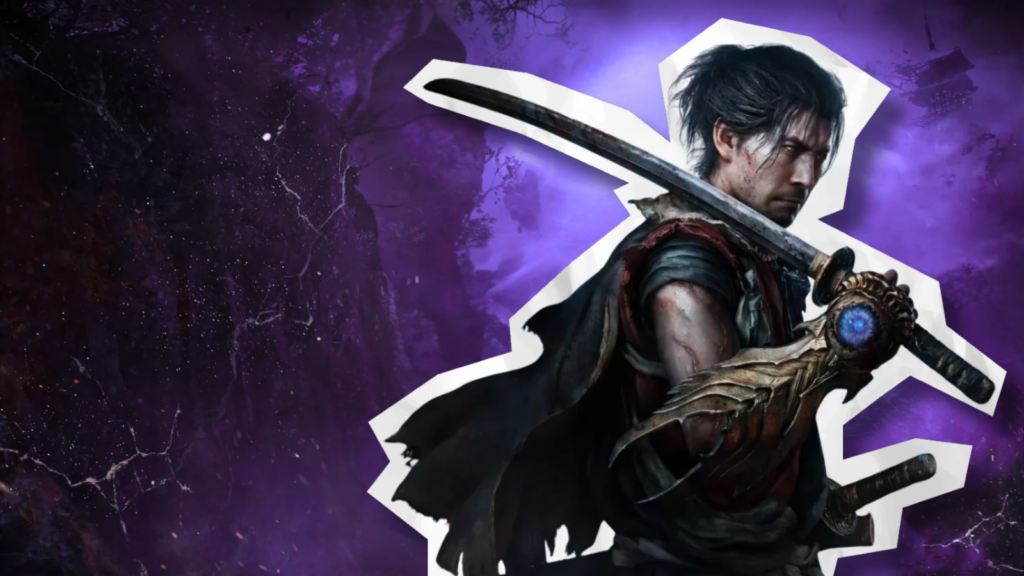
Onimusha: Way of the Sword is here, and its release has me thinking about how far the series has come.
It’s been 25 years since Onimusha: Warlords dropped and I still remember everything from the boss fight with Osric and the layout of the map, collecting the souls into my gauntlet. I remember getting pulled into the story of Samanosuke and how the ending left me wanting to see the next chapter in his story. Since then, the franchise has released more titles, including Samurai’s Destiny, Demon Siege, Dawn of Dreams, and now Way of the Sword. As soon as it was announced, I knew that I had to get my hands on it immediately, but once I did, reluctance crept in towards a few updated mechanics.
Before the demo dropped, currently available on Steam, I was able to catch the in-person gameplay presentation with Capcom during this year’s Summer Game Fest. What stood out to me from the beginning was how connected the new title is to its predecessors. The orb gauntlet is back, the soul collecting is still the same, how players collect items is unchanged; even the combat styles remain nostalgically similar (with some caveats that we’ll get to in a minute). Not to mention, the animation and art design is impeccable. Hands down, the game is beautiful and reminded me why I picked up my controller for Warlords in the first place.
Onimusha: Way of the Sword is part of the mainline narrative, and thankfully for any curious newcomers, it doesn’t require players to experience the previous titles first to comprehend the storyline. It’s a new story, new characters, and a new era, so it feels fresh while still carrying forward some of the elements that define the series. That said, if you’re into soulslike games, this one may not be for you. Way of the Sword leans more toward hack and slash. Director Satoru Nihei has been very clear that the goal is to modernize the series rather than chase another Dark Souls or Nioh copycat.
“Onimusha: Way of The Sword isn’t an open-world game, and it certainly isn’t a punishing die-and-retry (Soulslike) game either,” Nihei explained in an interview with Automaton Media. “While there’s no doubt seasoned action-game players will be able to enjoy it, our goal was to make a game which gamers who don’t consider action games their forte will also have fun playing. In Way of The Sword, our main focus was to express the clashing of blades through the action.”
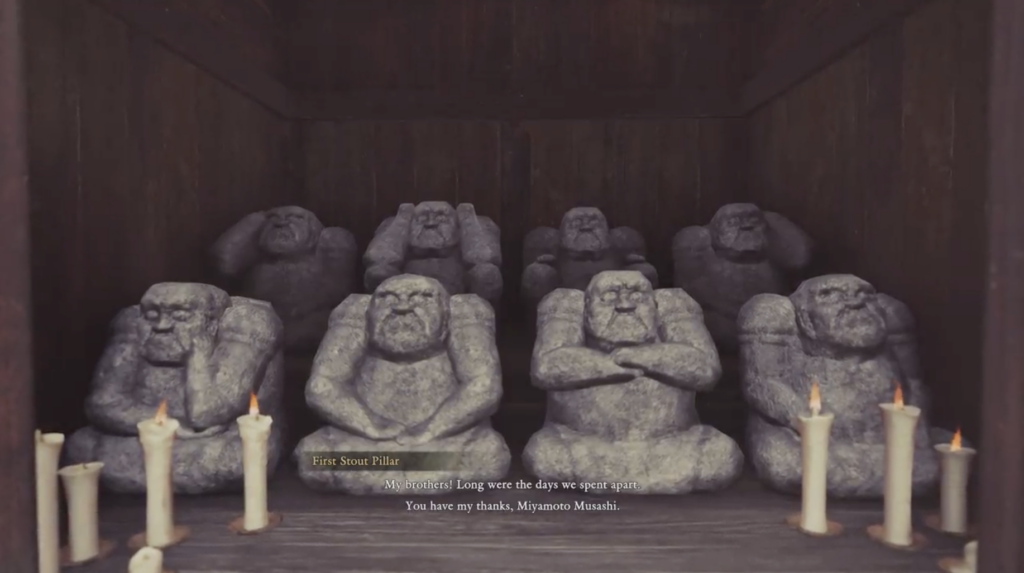
The attention to detail is where the game really shows its heart. During the presentation, Capcom shared that during development, the team worked closely with temple officials in Kyoto, Japan, consulting on the depiction of the Buddhist temple Kiyomizu-dera to ensure historical accuracy. That level of intentional care that many studios are comfortable sidestepping for time and efficiency paid off here—the art direction, the environments, and the atmosphere all speak for themselves.
There are quite a few exciting new additions as well. Wall running makes its debut (though it drains your stamina), along with enhanced Oni vision which lets you spot enemies beyond normal sight, and the ability to loose arrow shots mid-run. Two bosses were teased in the presentation, including Byakue, also known as the Hundred Defilements, a Genma covered in paper talismans that grow blood-soaked over time, eventually going full crimson once it hits rage mode. The second is Dohatsu-ten, Heaven’s Bane, a winged Genma whose feathered limbs become more immense as the battle progresses, fighting with a mix of hand-to-hand combat, power kicks, and blood-charged swordplay.
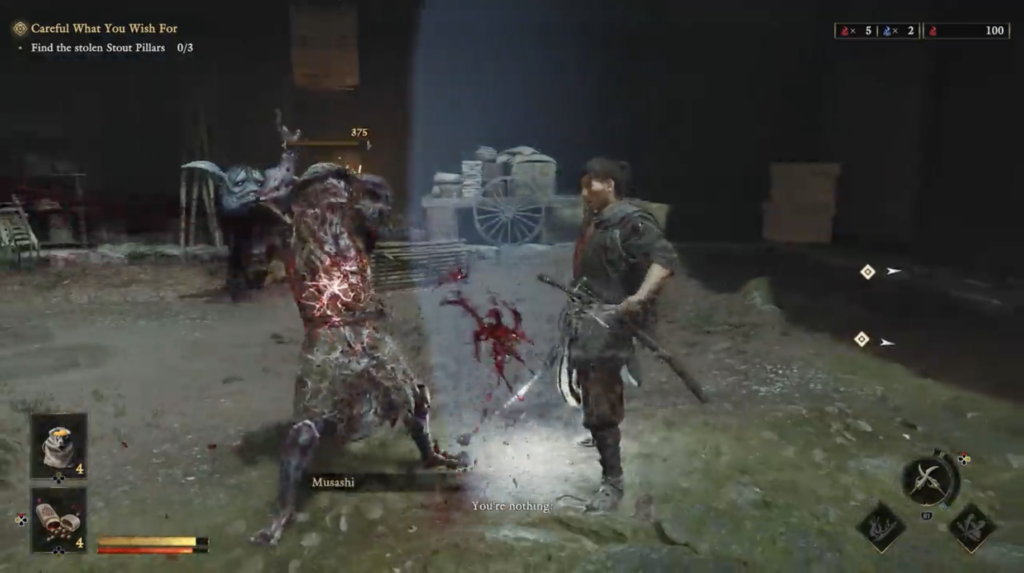
I was a bit disappointed that I never got to face the bosses from the presentation, but the demo revealed two new ones, so I gave it a chance. The first was another Genma, a pretty straightforward fight, and the second was Sasaki Ganryu, who gave me a bit more of a challenge. Ganryu talks throughout the fight, reacts to how well you’re doing, and taunts you here and there as things go on. The boss fights were enjoyable, but my biggest hesitation while playing was how passive the enemies were.
They were too polite. I’d get aggressive and back one into a corner while the others just waited their turn, instead of pressuring me back or swarming me all at once. I didn’t get punished or challenged, and that’s a concern; I was hoping the demo would push the boundaries of the combat rather than show me how amicable the enemies could be.
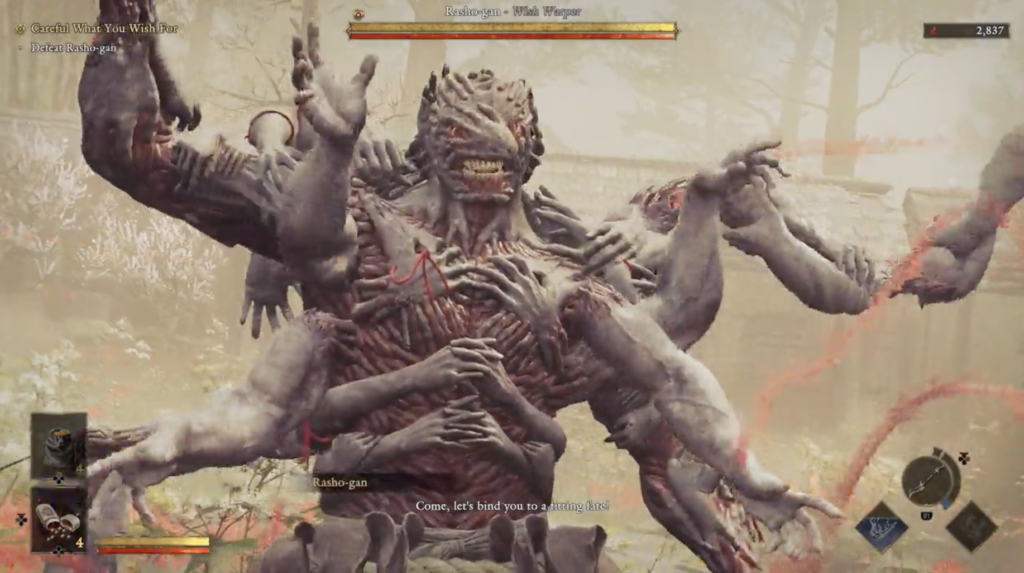
Don’t get me wrong, the environmental combat looks incredible and the animation work is gorgeous and sleek. I can tell the dev team put in a lot of work to make this game look fantastic. But I don’t want a game just because it looks pretty. I want a challenge, and I want enemies who don’t hesitate to come at me, which made the demo feel a little too easy for my liking.
I’m also not a fan of how the Oni weapons, like the sword and bows, are summoned through the blue soul power. In the older games, weapons like the sword or bow felt like part of your toolkit. Here, it feels like I can mainly use them for big attacks that eat up your whole meter, and that’s a letdown. The combat mechanics and the way players are meant to use weapons like the new Chain Issen felt like a step down from what I’m used to from the previous games.
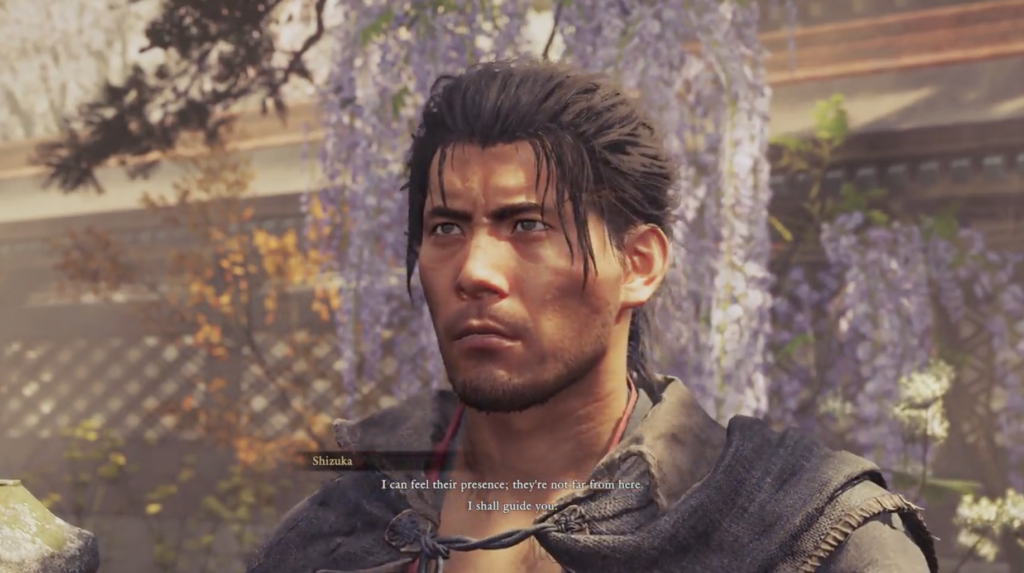
Onimusha: Way of the Sword‘s release is exciting, but I’d be lying if I said I didn’t have mixed emotions about it.
As someone who loves the franchise’s previous titles, I’m trying my best not to compare it to what came before, but I can’t ignore that some changes have me hesitant to embrace the new. The art direction is undeniably eye-catching, and I love that they kept the fantastical world-building intact; honoring the series while making way for a new storyline and new characters is the best direction for a decades-long series like this. Of course, I’d welcome the chance to see the difficulty raised and the combat mechanics tweaked, so the weaponry feels more fluid, and the game I’ve come to love stays the one I rush to download on release day.
Onimusha: Way of the Sword is available now on PlayStation 5, Nintendo Switch 2, Xbox Series X|S, and PC via Steam, the Epic Games Store, and Microsoft Store.